Start with the whole trip
A trip is only as useful as its connections. A bus stop needs an accessible sidewalk. A bike lane needs a safe way through the intersection. A crossing needs enough time and visibility for people to use it.
Complete streets bring these pieces together. There is no single design for every block: the right choices respond to the people, places and transportation needs along that street.
The pieces that make a difference
Sidewalks and accessible crossings
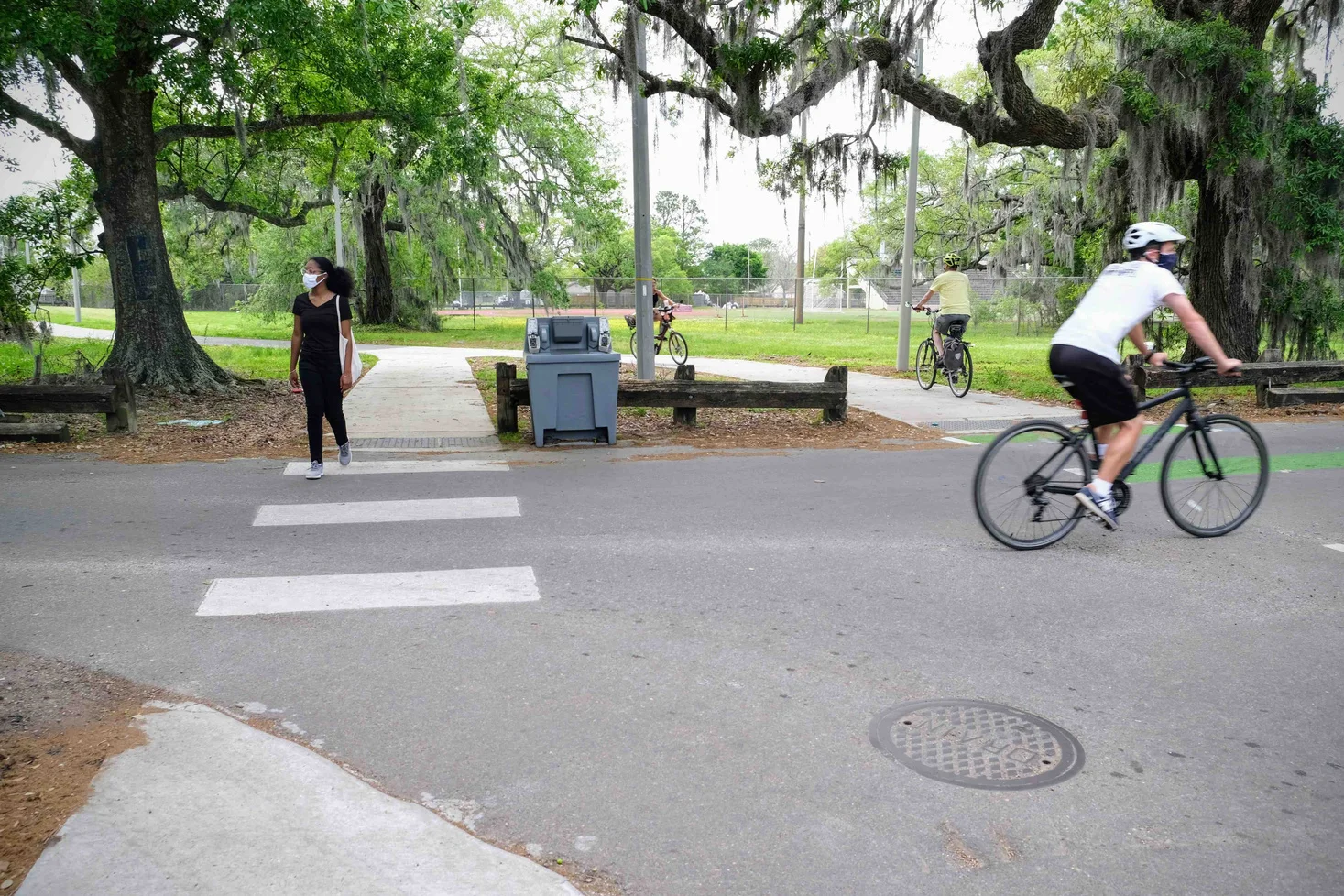
Clear walking space, curb ramps, visible crossings and usable signals help people reach their destinations, including people using wheelchairs, walkers and strollers.
Connected, comfortable bike routes
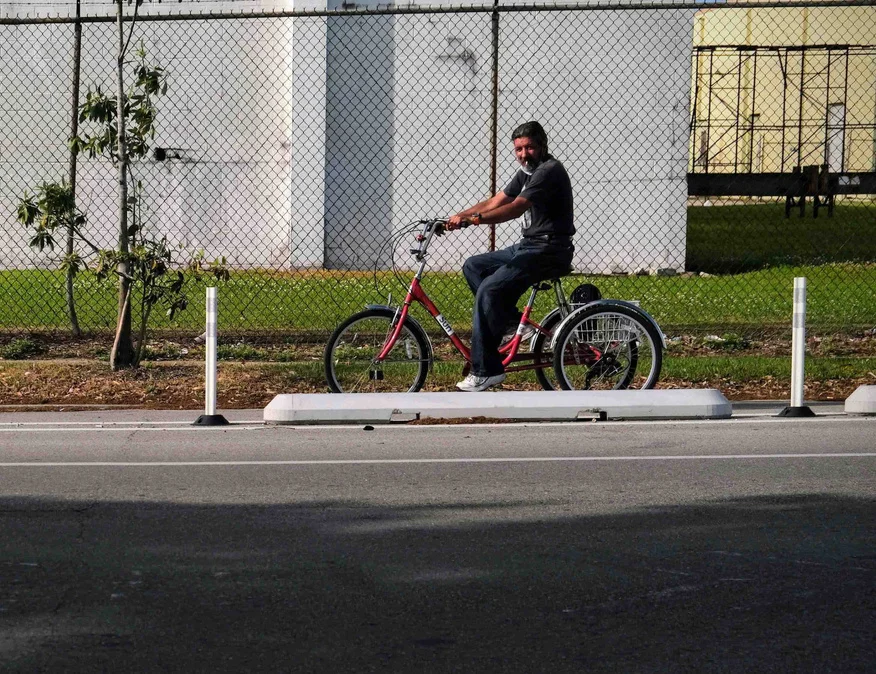
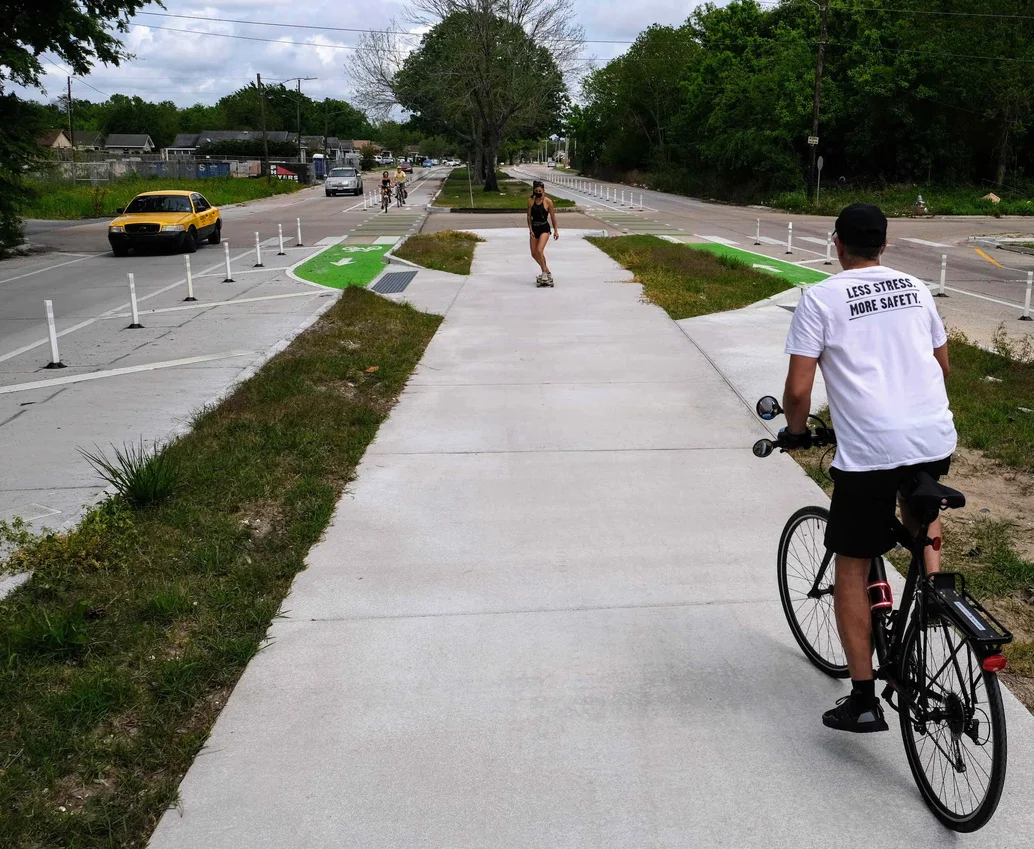
Protected space where needed, predictable intersections and secure places to park a bike make a network useful for more people.
Transit that is part of the street
Accessible stops, shade, seating and reliable connections make transit a practical part of a trip. Bus priority can help people get where they need to go.
Shade, trees and water management
Trees and green infrastructure can make streets more comfortable while managing rainwater. They need room to grow, thoughtful placement and ongoing care.
Space for neighborhood life
Streets serve deliveries, local businesses, neighbors and visitors. Good design accounts for these needs alongside safe movement and access.
Why champion complete streets?
More ways to get around can mean better access to daily needs and more independence. Safe, welcoming streets support public life, physical activity and neighborhood businesses. These benefits depend on a connected network and attention to who is being served.
Where good intentions fall through the cracks
Street projects involve different agencies, funding sources and timelines. Safety features can disappear between a plan and construction. Maintenance can be left unclear. A meeting can happen without reaching the people most affected.
We ask who is responsible, how decisions are made, what the public was told and whether the finished street meets the policy’s goals.
Understand New Orleans’ complete streets policy
Learn from places that are doing the work
The National Complete Streets Coalition documents policy and implementation lessons from communities across the country. NACTO’s street design guides show how sidewalks, intersections, bikeways and transit can fit together. These are useful starting points for local conversations, not substitutes for neighborhood input.
Explore Smart Growth America’s complete streets resources · Read the NACTO Urban Street Design Guide
Find a comfortable route
Looking for a place to start on a bike? Explore the Bike Streets map of low-stress routes in New Orleans.